
Executive Memo: Why Are 90% of Lawyers Thin-Skinned?
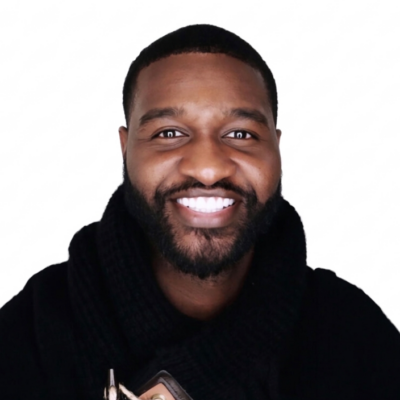


TO: Dr. Larry Richard, Founder & Principal Consultant at LawyerBrain LLC
FROM: Dr. Eli Joseph & Dr. Janice Gassam Asare
RECORDING DATE: August 21, 2026, at 12 PM EST
RELEASE DATE: September 7, 2026
EXECUTIVE SCORE: Legal Mind
PODCAST EPISODE: Struggling to Cope: Why Are 90% of Lawyers Thin-Skinned?
Narrative Overview
Why is the psychological makeup of lawyers visibly distinct from that of any corporate executive? This episode features psychologist and former practicing attorney Dr. Larry Richard dissecting the peculiar inner workings behind the personality makeup and behavioral tendencies of lawyers. Dr. Richard is an internationally recognized expert who works with some of the biggest law firms and corporate counsel, and here he speaks based on his extensive research on lawyers’ performance, leadership, and well-being. The discussion includes the seven personality characteristics of lawyers; the neurobiology of change management; and the scientific methods of creating sustainable resilience and performance in high-pressure scenarios.
Editor’s Note: The Academic Boardroom’s episodic memoranda publish the full scope of our internal preparatory research, core market data, and targeted queries before recording. Some of the questions documented before our recording may have been modified or omitted from our episode.
Possible Questions to Consider
The Psychology & Architecture of the Legal Mind
- The Lawyer Personality: Having transitioned from practicing law to earning a Ph.D. in psychology focused on attorneys, what are the primary personality traits that make lawyers psychologically unique compared to other professionals?
- The Skepticism & Resilience Paradox: Why do attorneys rank exceptionally high in skepticism and notably low in resilience? How do these traits serve as both operational superpowers and major organizational liabilities?
- The Persuasion Dynamic: You often note that standard persuasion techniques don’t work on attorneys—why should you never try to traditionally “persuade” a lawyer, and how should leaders shift their influence strategies instead?
Neuroscience, Stress & Managing Change
- The Science of Stress: The legal profession is notoriously high-pressure. What does neuroscience tell us about why practicing law is so uniquely stressful, and how does that chronic stress affect executive decision-making and team dynamics?
- Navigating Uncertainty: Managing organizational change is tough in any industry, but particularly inside law firms and corporate legal divisions. How can leadership successfully navigate change and uncertainty when working with risk-averse minds?
- Evidence-Based Well-Being: What are the most effective, evidence-based interventions firms can implement to cultivate real resilience, prevent burnout, and promote mental well-being without sacrificing performance?
Leadership, Hiring & Team Dynamics
- Selection & Team Building: When corporate legal departments or major law firms select and recruit talent, what key behavioral and personality metrics should they evaluate beyond technical legal skill?
- Leading High-Autonomy Talent: Attorneys often operate with high autonomy and low sociability. How can legal leaders foster collaboration, team cohesion, and long-term talent retention in environments designed around individual performance?
The Boardroom Sign-off
- The Cultural Evolution: As the broader corporate landscape rapidly evolves through AI and systemic change, what is the single biggest cultural shift law firms must make over the next decade to remain resilient?
- The Ultimate Message: What is the one piece of psychological wisdom or advice you want every attorney and legal executive to remember about balancing professional excellence with personal well-being?