
Executive Memo: From DEI to DIY
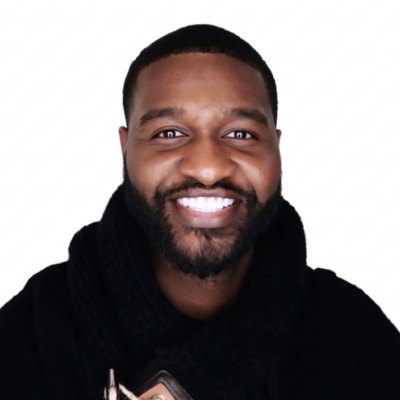


TO: Dr. Robert Livingston (Lecturer in Public Policy, Harvard Kennedy School)
FROM: Dr. Eli Joseph & Dr. Janice Gassam Asare
RECORDING DATE: September 29, 2026, at 11:15 PM EST
RELEASE DATE: October 19, 2026
PODCAST SCORE: From DEI to DIY
EPISODE TITLE: From DEI to DIY: Dr. Robert Livingston on the PRESS Model, Allyship as Action, and Building Black Excellence
Narrative Overview
For decades, corporate and academic leaders have relied on well-intentioned diversity statements, anti-bias training, and goodwill to foster inclusive environments. However, sentiment rarely translates to structural outcomes without rigorous behavioral design. Dr. Robert Livingston, a leading social psychologist at the Harvard Kennedy School and author of The Conversation, has demonstrated that systemic racism and organizational bias are not intractable social mysteries—they are solvable operational challenges requiring knowledge, investment, and strategic determination. This opening section will address why standard DEI efforts stall and how leaders can reframe inclusion through evidence-based behavioral science.
THE PRESS FRAMEWORK: AN ANATOMY OF ACTIONABLE CHANGE
At the heart of Dr. Livingston’s research is the PRESS model: Problem awareness, Root cause analysis, Empathy, Strategies, and Sacrifice. Many institutions attempt to jumping straight to “Strategies” without properly diagnosing root causes or establishing factual baseline awareness. We will break down how enterprise leaders and academic deans can implement the PRESS framework to audit their internal hierarchies, challenge status-quo assumptions, and build sustainable roadmaps for organizational equity.
DE-BIASING SYSTEMS VS. RE-EDUCATING INDIVIDUALS
A fundamental challenge in organizational change is the tendency to focus on individual attitudes rather than institutional architecture. Dr. Livingston’s work highlights that while shifting personal mindsets is important, changing objective hiring, promotion, and retention systems yields far greater and more predictable equity. This segment will explore how executives can audit structural processes, remove implicit bias from decision-making pipelines, and align institutional metrics with actual inclusion outcomes.
NAVIGATING FRICTION AND DISCONFIRMING DATA
Constructive dialogue around race, privilege, and institutional power often encounters cognitive dissonance, defensiveness, or systemic pushback. When data conflicts with an organization’s self-image as a meritocracy, leadership can become paralyzed. We will analyze the psychological barriers that prevent leaders from accepting disconfirming evidence and explore how candid, fact-based communication can transform discomfort into actionable organizational momentum.
METRICS, SACRIFICE, AND SUSTAINED ACCOUNTABILITY
True institutional change requires real investment and trade-offs—the “Sacrifice” component of the PRESS model. Without clear metrics, incentives, and sustained board-level oversight, corporate inclusion initiatives risk fading into performative routine. In this closing pillar, we will outline how top-tier organizations maintain long-term accountability, measure progress beyond headcount, and institutionalize equity as a core strategic capability.
Editor’s Note: The Academic Boardroom’s episodic memoranda publish the full scope of our internal preparatory research, core market data, and targeted queries before recording. Some of the questions documented before our recording may have been modified or omitted from our episode.
Possible Questions to Consider for Our Conversation
The Science of Bias & The PRESS Framework
- The Diagnostic Gap: In The Conversation, you outline the PRESS framework (Problem awareness, Root cause analysis, Empathy, Strategies, Sacrifice). Where do most corporate and academic leaders fail during the initial diagnostic stages?
- Bridging Science and Practice: As a social psychologist who advises Fortune 500 companies and public sector entities, how do you translate empirical psychological research into practical policies that C-suite executives can immediately execute?
- The Meritocracy Illusion: Why do so many well-meaning organizations struggle to accept data showing systemic disparities, and how can leaders overcome the cognitive dissonance that protects the status quo?
De-Biasing Organizational Systems
- Process vs. Persuasion: Why is changing institutional systems and decision-making architecture vastly more effective than attempting to change individual implicit attitudes?
- The Rejection Filter in Hiring: What specific structural adjustments should talent teams and search committees implement to eliminate bias from high-stakes recruitment and executive promotion pipelines?
- Decoupling Intent from Impact: How can leaders evaluate the success of inclusion programs using hard behavioral metrics rather than engagement surveys or policy compliance?
Navigating Friction & Executive Leadership
- Handling Resistance: When candid conversations about race and equity face defensiveness or ideological pushback, what strategic approaches keep the focus on evidence and actionable solutions?
- The Cost of Sacrifice: The final component of your PRESS model is “Sacrifice”. What does genuine sacrifice look like at the board and executive level when reallocating capital, power, or opportunities?
- The Academic Boardroom Sign-off: What is the single most critical structural change higher education institutions and enterprise corporations must commit to today to ensure long-term, systemic equity?