
Executive Memo: Metabolic Narratives with Dr. Paule Joseph
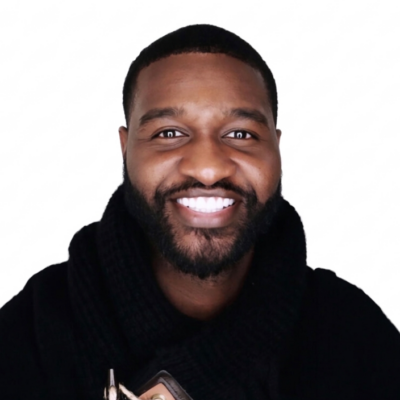


TO: Dr. Paule Valery Joseph (Senior Investigator, Lasker Clinical Research Scholar, NIH joint appointment at NIAAA and NIDCD; Co-Director, NIH National Smell and Taste Center; National Academy of Medicine Fellow; Guggenheim Fellow)
FROM: Dr. Eli Joseph and Dr. Janice Gassam Asare
RECORDING DATE: May 11, 2026, at 2 PM EST
RELEASE DATE: May 18, 2026
RELATED REFERENCES: The Sensory Blueprint
PODCAST SCORE: Sensory Blueprint
Editor’s Note: The Academic Boardroom’s episodic memoranda publish the full scope of our internal preparatory research, core market data, and targeted queries before recording. Some of the questions documented before our recording may have been modified or omitted in our episode.
BEYOND THE MEDICAL SILO: THE POWER OF INTEGRATION
The field of medicine has been divided into different specialties with no connection to one another for many years. This method doesn’t take into consideration how all an individual’s senses (including taste and smell) influence the individual’s physical well-being. Dr. Paule Joseph has made a career out of dismantling these divisions, demonstrating that our senses are powerful and underappreciated drivers of metabolic well-being, working alongside (not instead of) genetics, environment, and behavior. In her primary care practice (Anchor Health PC, a separate outside activity from her federal role), she works under a model she calls Anchored Care: relationship-based medicine that is grounded in evidence, respectful of complexity, and built around long-term healing.
Dr. Joseph’s goal is to change the healthcare system’s approach to patient care, to include the totality of an individual, not just the symptoms that the patient presents with. In our increasingly technology-driven society, where technology is outpacing in-person care by human beings, Dr. Joseph advocates for the integration of high-technology genomic data into the health care arena, as complementary to the traditional role of nursing, as well as supporting intuitive decision making. We will discuss how Dr. Joseph’s experiences as a nurse shape her ability to see human stories in the complex structures of genetic data.
THE STRUGGLE FOR CUSTOM CARE: GENETICS VS. THE SYSTEM
Today, modern health care is in conflict: science advances toward “precision medicine,” where care is tailored to each person’s genetics and unique biological conditions, while many large institutions continue to operate under a model of “standardization,” where all patients are treated the same. As a result of these conflicting paradigms of health care, communities that have historically been excluded from medical research or have had their needs inadequately met by the health care system are left with limited access to quality medical treatment.
By emphasizing the unique biological needs of historically marginalized populations, Dr. Joseph is building an “alternative infrastructure” to health and health care. This system will not only provide better medicine but will alsosystem are research enterprises continue to adapt to the diverse populations they serve. In this podcast, you’ll hear about her scientific work, her election to the National Academy of Medicine, and how the science of metabolic disease and addiction can better reflect underserved populations.
DATA WITH A HEART: BRIDGING RIGOR AND EMPATHY
Numbers are a huge part of our lives, from counting calories to measuring glucose levels to determining our body mass index (BMI). While the data has value, it is not often meaningful in terms of culture or pleasure; it lacks what Dr. Joseph refers to as “heart”: how food is an expression of the culture from which it comes, how sensory experience affects our enjoyment of eating, etc. Dr. Joseph adds the “sensory soul” component to her research by providing concrete evidence that factors such as taste and smell are critical for survival and quality of life through her extensive use of genetic/genomic data. This work bridges the gap between the analytical side of a laboratory and the emotional and experiential components of daily life.
In addition, if we allow AI to determine what we should eat solely based on our genes, we risk losing the human touch (empathy) needed to provide effective patient care. With her dual training background as a nurse-scientist (combining clinical observation with rigorous science). Dr. Joseph’s laboratory combines sensory testing and genomic/genetic data to explain the many complex reasons (both biological and cultural) why people make certain food choices (blaming patients for their poor health is not productive).
THE INDEPENDENT SCIENTIST: BUILDING A MISSION-DRIVEN CAREER
Historically, a doctor or researcher’s worth was measured by how prestigious the “Badge of Honor” institutionally attached to them was. Now leaders, such as Dr. Joseph, are called “Sovereign Intellectuals”—meaning her reputation today is formed by her work both at the National Institute of Health and also through her independent body of work and globally recognized pioneering status in sensory science and “Portfolio of Discovery,” which includes taking part in National and International Fellowships and multiple clinical trials; therefore, her mission and core direction have been stable throughout her career across the natural cycles of change any large research enterprise.
This approach is the new model for scientists of tomorrow. By concentrating on her mission as opposed to just a job title, Dr. Joseph has built work that remains durable through the “Institutional Whims” that every long-running research enterprise navigates, budget cycles, leadership transitions, and shifting priorities. Dr. Joseph will address how she has lived her life; examples, such as serving as a nurse to a renowned Clinical Researcher can serve as a guide for up-and-coming professionals interested in taking ownership of their career path while remaining true to their ethics, regardless of the organization in which they currently work.
THE FUTURE OF HEALTH RECORDS: PROTECTING OUR BIOLOGY
In the coming years, we will see that genetic data is becoming an extremely important asset. But as the prevalence of deepfakes and data breaches increases, the threat to “genomic truth” continues to grow. As a clinician-scientist, Dr. Joseph has written and presented on the scientific and clinical considerations involved in protecting research participants’ biological data and on the importance of informed consent in genomic research. Who will be the owner of our health records in the next five years? We need to transition from being passive participants in our health and healthcare research to becoming “architects of the bio-record,” ensuring that our data is used for our benefit rather than for exploitation. These questions are one of the central scientific and ethical conversations of the coming decade.
In this concluding section, we will look at “biological literacy.” Biological literacy refers to the belief that an individual should understand their own DNA and how it shapes health narratives. Dr. Joseph’s scientific work focuses on understanding chemosensory and metabolic biology and on training the next generation of nurse-scientists to bring rigorous science to populations that have been historically underrepresented in research. The scientific question of how to make biological knowledge accessible across the lifespan, regardless of background, is one of the most important challenges in the coming decade. The goal for 2030 is not just to have more new drugs; it is to have “the persistence of health”—the assurance that, regardless of a person’s background, they will have an accurate and secure biological journey.
Note for the recording: The views expressed by Dr. Joseph in this conversation are her own and do not necessarily represent the views, official policy, or position of the National Institutes of Health, the National Institute on Alcohol Abuse and Alcoholism, the National Institute on Deafness and Other Communication Disorders, or the United States Government. References to her clinical practice (Anchor Health PC) reflect an approved outside activity that is separate from her federal duties.
Questions To Consider for This Episode
On Background & Integrated Care:
How did your early experience as a nurse shape the way you lead a high-tech genomic lab at the NIH today?
Why is “taste and smell” often ignored in traditional medicine, and what are we missing by not looking at these senses?
When you talk about the “Sensory Blueprint,” what is the first thing a patient should understand about their own body?
How do we prevent precision medicine from becoming “exclusive medicine” for only the wealthy?
On Navigating the System:
What was the biggest challenge in convincing the medical establishment that nursing science is a key driver of genomic innovation?
How do you stay focused on “Custom Care” when working within a massive, standardized federal institution?
What does “Metabolic Equity” mean to you in practical, everyday terms for a patient in a marginalized community?
How can scientists or clinician scientist build “Alternative Infrastructure” in health research that remains durable across the natural cycles of any large research enterprise?
On Data & Humanity:
How do we keep “empathy” in the room when we are looking at rows of genetic data and numbers?
If AI starts telling us what to eat, how do we make sure it respects our cultural food traditions?
Why is it important to move away from “blaming” patients and toward looking at their biological “Sensory Soul”?
What is the one thing a spreadsheet can never tell a doctor about a patient’s health?
On Career & Sovereignty:
How do you manage your “Portfolio of Discovery” so that your various international projects all serve the same goal?
What advice do you have for a young nurse or student who wants to build a reputation that exists outside of their institution?
How do you build a research program that remains durable through the ‘Institutional Whims’ that every long-running research enterprise navigates?”
How do you think about the relationship between the institutional platform that supports your work and the personal “Metric of Discovery” that drives it?
On the Future & Defense:
In a world of deepfakes and data mining, how can we help patients feel safe about sharing their DNA?
What is “Biological Literacy,” and why should it be taught in schools alongside traditional reading and math?
How do we ensure that the “Bio-Archive” of our lives isn’t sold to the highest bidder in the next ten years?
When we look back in a century, what will be the ultimate proof that we successfully protected the health of this generation?
Suggested Additional Uuestions: On the Science and the Guggenheim Project
Your lab studies smell and taste in alcohol use disorder, in obesity, and in early neurodegeneration. What does it look like, on the bench, when chemosensation is the diagnostic signal, we’ve been missing?
Bariatric surgery rewires what tastes good to a patient, sometimes overnight. What does that tell us about the relationship between food preference, biology, and choice — and why has medicine been so slow to take it seriously?
Long COVID gave the world a crash course in what smell loss feels like. Three years later, has the science caught up with what patients have been telling us, and what are we still missing?
Most large studies of metabolic disease have undercounted Black, Latino, and Indigenous participants for decades. What does it take to design a study that doesn’t treat equity as an afterthought?
Your Guggenheim Fellowship is taking you to Oaxaca to study how cacao and Indigenous food traditions shape sensory health. How does that fieldwork connect to the book you’re writing, Common Scents, and to your bigger argument about food as medicine?